
оставить сообщение
Если вас заинтересовала наша продукция и вы хотите узнать более подробную информацию, пожалуйста, оставьте сообщение здесь, мы ответим вам как можно скорее.



✅ «Гнездо и гвоздь» – надежный и чистый метод.
✅ «Литье клеем» — быстрый и гибкий метод.
Давайте рассмотрим все детали, чтобы вы могли выбрать наиболее подходящий для ваших нужд процесс.
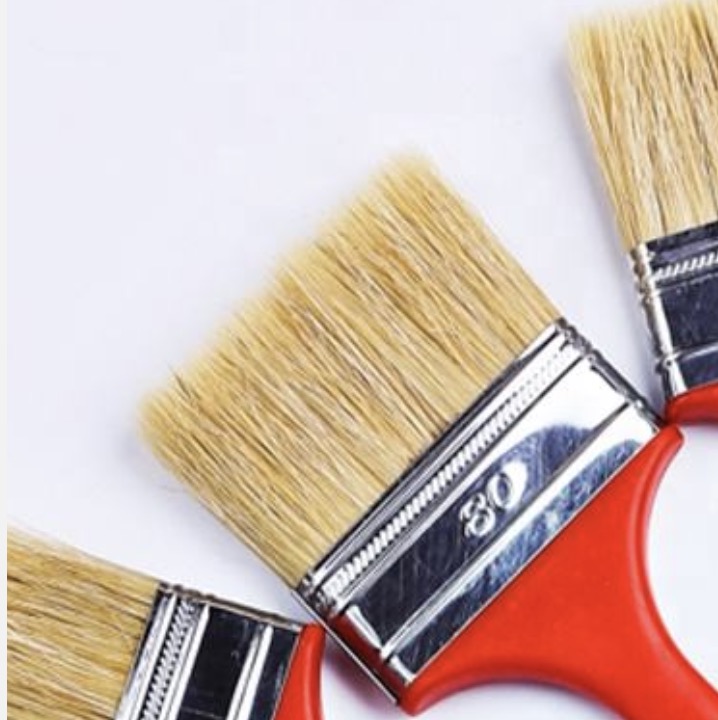
●Он пучок щетины сначала вставляется в металлический наконечник .
●A небольшое количество клея Используется для фиксации щетины во время сушки.
●После того, как клей застынет, Наконечник плотно прилегает к деревянной/металлической рукоятке. .
●Наконец, а гвоздь или заклепка проталкивается через наконечник и рукоятку, создавая прочная связь.
✔ Меньше клея = меньше затрат и никакой грязи – Поскольку используется лишь небольшое количество, то… нет перелива клея, чтобы кисть всегда выглядела чистой.
✔ Сверхпрочный и долговечный – The плотный наконечник + укрепление гвоздем обеспечивает работу головки щетки не будет шататься или легко отсоединяться.
✔ Премиальная отделка – Отсутствие неприглядных пятен от клея делает его идеальным для высококачественные кисти.
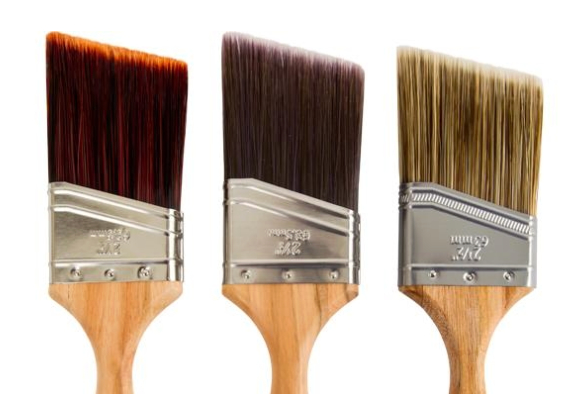
●Он пучок щетины помещается в металлический наконечник, затем наполнен большим количеством клея.
●Он ручка вставляется немедленно во влажный клей.
●Сборка остается на усмотрение лечение естественными методами без необходимости соблюдения жестких допусков.
✔ Более быстрое производство – Не нужно ждать, пока клей высохнет, прежде чем переходить к следующему шагу.Более гибкая настройка размеров ручек. – Поскольку размер не обтягивающий, незначительные дефекты. Допускаются отклонения в размерах рукоятки..Подходит для массового производства – Хорошо работает, когда скорость важнее высокого качества отделки.
⚠ Недостаток: Он шов клея может быть виден.и связь может быть не такой уж и прочной. долговечный, как метод наращивания ногтей.
Фактор | Розетка и гвоздь | Заливка клея |
Долговечность | ✅ Чрезвычайно прочные (гвоздь + плотное прилегание) | ⚠ Хорошо, но менее безопасно |
Появление | ✅ Чистота, без следов клея | ⚠ Могут остаться следы клея |
Скорость производства | ⚠ Требуется время для сушки | ✅ Быстрее (без ожидания) |
Допуск на рукоятку | ❌ Требуется точная подгонка | ✅ Гибкий выбор размеров |
Расходы | ✅ Меньше расхода клея | ⚠ Требуется больше клея |
🔧 Что лучше всего подходит для кистей премиум-класса? → Socket & Nail
🔨 Лучше всего подходит для быстрого и крупномасштабного производства? → Заливка клеем
Оба метода имеют свое место в производстве щеток. Если вам нужно долговечная кисть профессионального качества, то метод с использованием лунки и гвоздя Это лучший вариант. Но если вам нужно скорость и гибкость, заливка клея может стать отличной альтернативой.
🛠 Нужна помощь в выборе подходящего щеточного узла для вашего изделия? Напишите нам — мы с удовольствием поможем вам оптимизировать процесс изготовления кистей!


 Поддерживается сеть IPv6
оставить сообщение
Сканировать в Wechat :

Сканировать в WhatsApp :